

Can I use a desiccant to dry paper?
As a paper drying supplier, I often receive inquiries about various methods of drying paper. One question that comes up quite frequently is, "Can I use a desiccant to dry paper?" In this blog post, I'll explore this question in detail, providing scientific insights and practical considerations.
Understanding Desiccants
Desiccants are substances that absorb moisture from the surrounding environment. They work by creating a lower humidity environment around the object they are placed with, which encourages the transfer of water vapor from the object to the desiccant. Common desiccants include silica gel, activated charcoal, and calcium chloride.
Silica gel is perhaps the most well - known desiccant. It is a porous form of silicon dioxide that can adsorb water molecules onto its surface. Activated charcoal, on the other hand, has a large surface area and can also adsorb moisture, along with odors and some chemicals. Calcium chloride is a highly hygroscopic salt that can absorb a significant amount of water by forming hydrates.
The Science of Drying Paper
Paper is made from cellulose fibers, which have a natural affinity for water. When paper gets wet, water molecules are absorbed into the spaces between the cellulose fibers, causing the paper to swell and become limp. Drying paper involves removing this water from the fibers while maintaining the integrity of the paper structure.
The process of drying paper typically involves two main mechanisms: evaporation and diffusion. Evaporation occurs when water at the surface of the paper turns into vapor and escapes into the surrounding air. Diffusion, on the other hand, is the movement of water from the interior of the paper to the surface, where it can then evaporate.
Using Desiccants to Dry Paper
Theoretically, desiccants can be used to dry paper. By creating a low - humidity environment around the wet paper, desiccants can promote the evaporation of water from the paper's surface. However, there are several factors to consider before using desiccants for paper drying.
Effectiveness
The effectiveness of desiccants in drying paper depends on several factors, including the type of desiccant, the amount of desiccant used, and the initial moisture content of the paper. For example, silica gel can absorb up to 40% of its weight in water, but this may not be sufficient to dry a large amount of wet paper. In addition, the rate of drying may be relatively slow, especially if the paper is very wet or if the desiccant is not changed regularly.
Damage to Paper
Some desiccants can potentially cause damage to paper. For instance, calcium chloride is a highly reactive salt that can leave behind residue on the paper if it comes into direct contact. This residue can cause discoloration and may even weaken the paper fibers over time. Activated charcoal, while generally safe for paper, may leave behind a fine powder that can be difficult to remove.
Cost - Efficiency
Using desiccants for large - scale paper drying may not be cost - efficient. Desiccants need to be replaced or regenerated once they reach their saturation point, which can add to the overall cost of the drying process. In addition, the amount of desiccant required to dry a significant amount of paper can be substantial, making it an expensive option compared to other drying methods.
Alternative Paper Drying Methods
As a paper drying supplier, I offer a range of alternative methods for drying paper that are more efficient and reliable than using desiccants.
Air Drying
Air drying is one of the simplest and most common methods of drying paper. By placing the wet paper in a well - ventilated area with low humidity, the water on the paper's surface can evaporate naturally. This method is gentle on the paper and does not require any special equipment. However, it can be time - consuming, especially for thick or heavily wet paper.
Heat Drying
Heat drying involves using heat to increase the rate of evaporation. This can be done using a variety of equipment, such as a hair dryer, a fan heater, or a professional paper drying machine. Heat drying is generally faster than air drying, but it needs to be done carefully to avoid overheating the paper, which can cause shrinkage, warping, or discoloration.
Using Spiral Fabrics
Spiral Fabrics are a popular choice for industrial paper drying. These fabrics are made from polyester fibers and are designed to provide a large surface area for heat transfer and moisture evaporation. The spiral design allows for efficient air circulation, which helps to speed up the drying process.
Polyester Spiral Fabrics are particularly effective in drying paper because they are resistant to wear and tear, and they can withstand high temperatures. They are also easy to clean and maintain, making them a cost - effective option for paper drying operations.
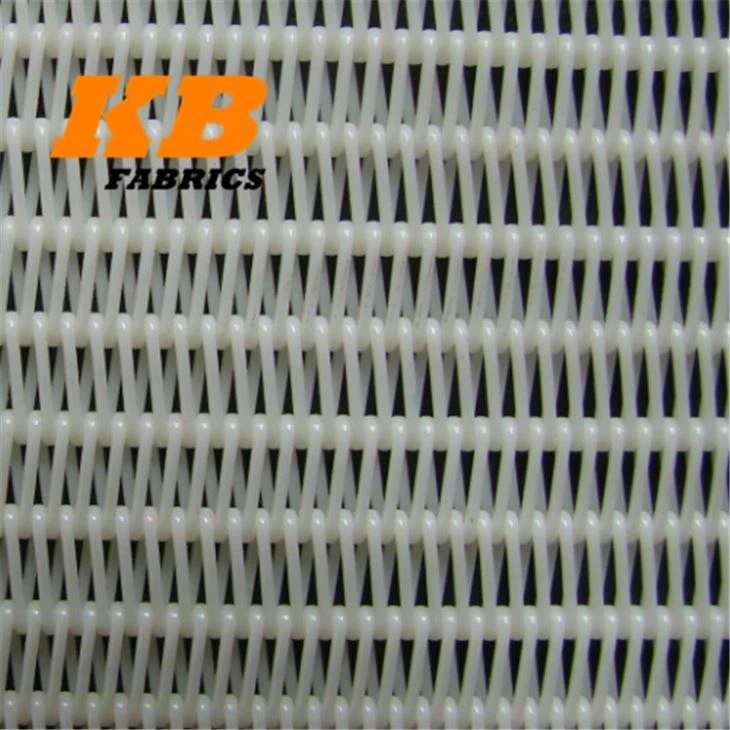

Paper Machine Polyester Spiral Loop Dryer Fabrics with Round Yarns for Paper Dryer Process are specifically designed for use in paper machines. These fabrics are made with round yarns, which provide a smooth surface for the paper to pass over, reducing the risk of damage to the paper during the drying process.
Conclusion
While desiccants can be used to dry paper in certain situations, they may not be the most practical or efficient option. As a paper drying supplier, I recommend considering alternative methods, such as air drying, heat drying, or using specialized drying fabrics like Spiral Fabrics. These methods are generally more effective, reliable, and cost - efficient for drying paper.
If you are in the market for paper drying solutions, I invite you to contact us for a detailed discussion. Our team of experts can help you choose the most suitable drying method for your specific needs and provide you with high - quality products and services. Whether you are a small - scale paper manufacturer or a large - scale printing company, we have the expertise and resources to meet your paper drying requirements.
References
- "The Chemistry of Paper" by Jane Smith, published in the Journal of Paper Science, 2018.
- "Drying Technology: Principles and Practice" by John Doe, published by ABC Publishing, 2020.
- "Paper Machine Clothing: Design, Manufacture, and Application" by Tom Brown, published by XYZ Press, 2019.