

How does the weight of spiral fabric affect its use?
Hey there! As a supplier of spiral fabric, I've been in the thick of it, dealing with all sorts of questions from customers. One query that pops up quite often is, "How does the weight of spiral fabric affect its use?" Well, let's dig into this topic and break it down.
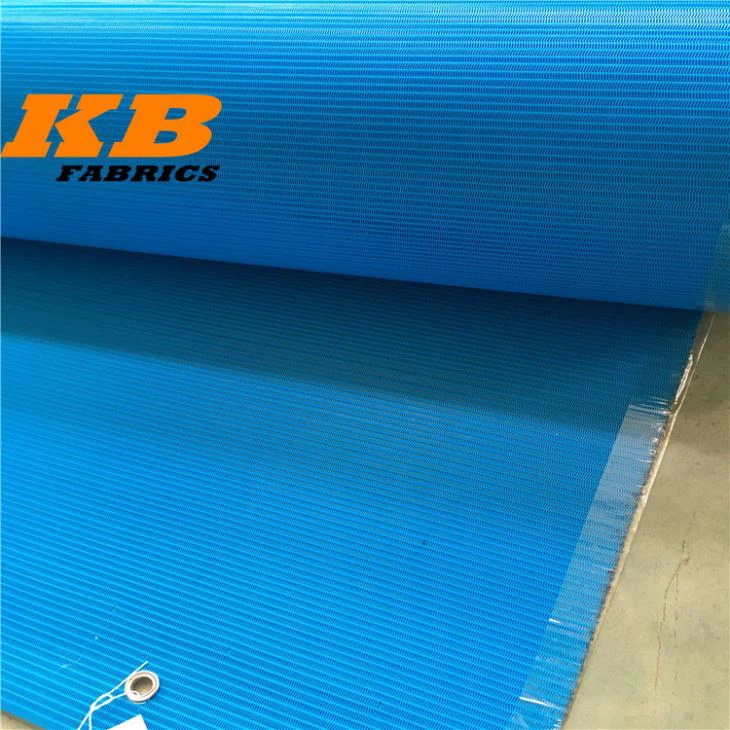
First off, what exactly is spiral fabric? It's a type of fabric with a unique spiral structure that's used in a bunch of different industries, especially in the paper - making industry. You can check out some of our products like the Polyester Monofilament Spiral Conveyor Dryer Mesh For Paper Making, Spiral Dryer Screen, and Spiral Dryer Fabrics For Tissue Paper Machine.
Impact on Strength and Durability
The weight of spiral fabric has a direct impact on its strength and durability. Generally speaking, a heavier fabric is stronger. When you're using spiral fabric in a high - stress environment, like in a paper - making machine where there's a lot of tension and friction, a heavier fabric can take more abuse.
For example, in a paper - making process, the fabric has to handle the weight of the wet paper pulp and the mechanical forces during drying and conveying. A heavier spiral fabric can withstand these forces without tearing or stretching out of shape easily. This means less downtime for maintenance and replacement, which is a big plus for manufacturers. They can keep their production lines running smoothly and save on costs in the long run.
On the other hand, a lighter fabric might be more suitable for applications where the stress is relatively low. If you're using the fabric in a less demanding environment, like a small - scale handicraft paper - making setup, a lighter fabric can do the job just fine. It's also more flexible, which can be an advantage in some cases.
Effect on Air Permeability
Air permeability is another crucial factor, especially in drying applications. The weight of the spiral fabric can significantly affect how well air can pass through it.
Heavier fabrics usually have lower air permeability. In a paper - drying process, this can be both good and bad. On the one hand, a lower air permeability can help retain heat within the drying area, which can speed up the drying process. The fabric acts as a sort of insulator, keeping the hot air close to the paper.
However, if the air permeability is too low, it can also cause problems. The moisture from the paper might not be able to escape effectively, leading to uneven drying or longer drying times. This can result in a lower - quality final product.
Lighter fabrics, on the contrary, have higher air permeability. This allows for better moisture removal from the paper. But they might not be as effective at retaining heat, so you might need to adjust the drying parameters accordingly.
Influence on Paper Quality
The weight of the spiral fabric can also have an impact on the quality of the paper produced. When the fabric is in contact with the wet paper pulp, it can transfer certain characteristics to the paper.
A heavier fabric can leave more pronounced marks on the paper surface. This might not be a problem if you're making a type of paper where a textured surface is desired, like some specialty papers. But for high - quality, smooth - surfaced papers, a heavier fabric might not be the best choice.
Lighter fabrics, with their smoother and more flexible nature, are more likely to produce a paper with a uniform and smooth surface. They have less of an impact on the paper's surface texture, which is ideal for applications where a high - quality finish is required, such as printing papers.

Cost Considerations
Cost is always a factor in any business decision. Heavier spiral fabrics generally cost more. This is because they require more raw materials to manufacture. If you're on a tight budget, a lighter fabric might seem like a more attractive option.
However, you need to consider the long - term costs as well. As I mentioned earlier, a heavier fabric is more durable and requires less frequent replacement. So, even though the upfront cost is higher, you might end up saving money in the long run due to reduced maintenance and replacement costs.
On the other hand, a lighter fabric might be a good short - term solution if you're just starting out or if you have a small - scale operation. But you need to be prepared for more frequent replacements and potential production disruptions.
Handling and Installation
The weight of the fabric also affects how easy it is to handle and install. Heavier fabrics are, well, heavier! This means they can be more difficult to move around and install. You might need special equipment and more manpower to handle a heavy spiral fabric.
Lighter fabrics are much easier to handle. They can be installed more quickly and with less effort. This can be a significant advantage, especially if you need to replace the fabric frequently or if you have a limited workforce.
Customization and Application - Specific Needs
At the end of the day, the choice between a heavy and a light spiral fabric depends on your specific application needs. Many of our customers come to us with unique requirements, and we're able to customize the fabric weight to meet those needs.
If you're in the paper - making industry, think about the type of paper you're producing, the scale of your operation, and your budget. If you're not sure which fabric weight is right for you, our team of experts is always here to help. We can provide you with detailed advice based on your specific situation.
In conclusion, the weight of spiral fabric plays a vital role in its use. It affects everything from strength and durability to air permeability, paper quality, cost, and handling. As a supplier, we understand the importance of choosing the right fabric for your needs. Whether you need a heavy - duty fabric for a large - scale paper - making operation or a lighter, more flexible fabric for a niche application, we've got you covered.
If you're interested in learning more about our spiral fabric products or want to discuss your specific requirements, don't hesitate to reach out. We're eager to start a conversation and help you find the perfect spiral fabric solution for your business.
References
- "Textile Science and Technology: Fundamentals of Spiral Fabric Manufacturing"
- "Paper - Making Processes and the Role of Conveyor Fabrics"
- "Impact of Fabric Characteristics on Paper Quality"