

How to test the quality of bolting cloth?
Hey there! As a bolting cloth supplier, I've seen firsthand how important it is to ensure the quality of the bolting cloth you're using. Whether you're in the screen - printing industry or any other field that requires fine filtration, getting high - quality bolting cloth is crucial. In this blog, I'm gonna share with you some effective ways to test the quality of bolting cloth.
Physical Inspection
First off, a simple physical inspection can tell you a lot about the bolting cloth. Start by looking at the surface of the cloth. It should be smooth and free from any visible defects like holes, tears, or uneven weaving. If you spot any of these issues, it's a clear sign that the quality might be compromised.
Check the edges of the bolting cloth too. They should be neatly finished. Loose threads or frayed edges can lead to problems during use, such as the cloth unraveling or getting caught in machinery. A well - made bolting cloth will have clean, well - sewn edges.

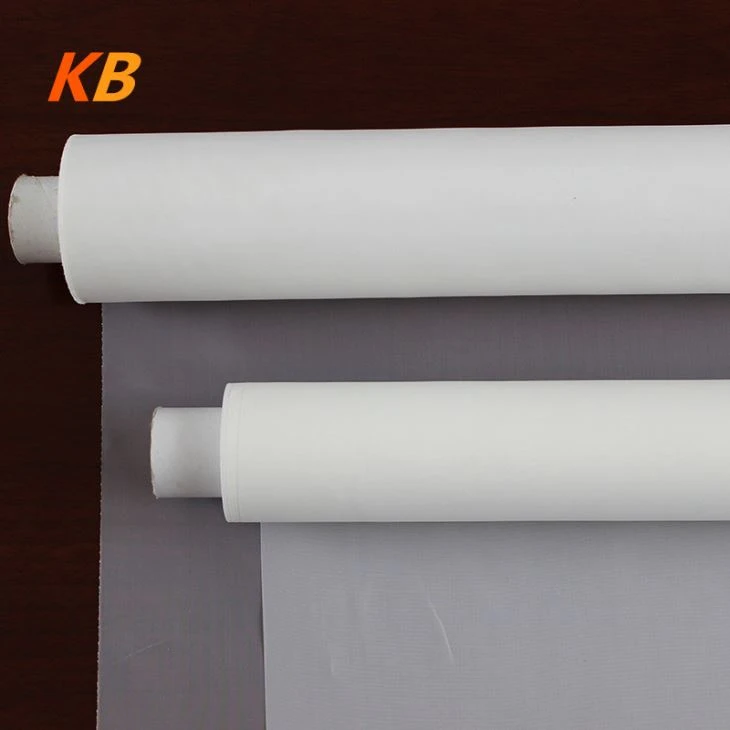
Another aspect of physical inspection is to feel the texture of the cloth. Run your fingers over it. A high - quality bolting cloth will have a consistent texture. If it feels rough in some areas and smooth in others, there could be an issue with the manufacturing process.
Mesh Count and Opening Size
The mesh count and opening size are key factors in determining the quality of bolting cloth. Mesh count refers to the number of openings per linear inch in the cloth. You can measure the mesh count using a magnifying glass and a ruler. Count the number of openings in one inch of the cloth. Compare this number with the specifications provided by the manufacturer. If there's a significant difference, it could mean that the cloth doesn't meet the required standards.
The opening size is related to the mesh count. It determines what size particles the bolting cloth can filter. You can use a microscope or a specialized measuring tool to measure the opening size. Make sure the opening size is uniform across the entire cloth. Any variations in the opening size can lead to inconsistent filtration results.
Tensile Strength
Tensile strength is the ability of the bolting cloth to withstand pulling forces without breaking. To test the tensile strength, you can use a simple setup. Cut a small strip of the bolting cloth and attach it to a fixed point at one end. Then, gradually apply a pulling force at the other end using a weight or a mechanical device.
Record the amount of force required to break the cloth. Compare this value with the manufacturer's specifications. A high - quality bolting cloth should have a good tensile strength. If the cloth breaks easily under a relatively low force, it might not be suitable for heavy - duty applications.
Chemical Resistance
If your bolting cloth will be used in an environment where it comes into contact with chemicals, testing its chemical resistance is essential. You can do a simple chemical resistance test by applying a small amount of the relevant chemical to a hidden area of the cloth.
Let it sit for a specified period of time, as recommended by the chemical manufacturer. Then, check the cloth for any signs of damage, such as discoloration, swelling, or weakening. If the cloth shows significant damage, it won't be able to withstand long - term exposure to the chemical.
Color Fastness
Color fastness is important, especially if the appearance of the bolting cloth matters. To test color fastness, you can wet a small piece of the cloth and rub it gently with a white cloth. Check the white cloth for any color transfer. If a significant amount of color transfers onto the white cloth, the color fastness of the bolting cloth is poor.
You can also expose the cloth to sunlight for a certain period of time. Check if the color fades. A high - quality bolting cloth should have good color fastness, meaning it retains its color even after exposure to light and moisture.
Compatibility with Printing Equipment
If you're using the bolting cloth for screen - printing, it's crucial to test its compatibility with your printing equipment. For example, you can try using the Screen Printing Mesh Fabric on your screen - printing machine. Check if the cloth fits properly on the frame and if it allows for smooth ink flow.
The 120 Mesh/48T White Silk Screen Printing Mesh Fabric is a popular choice for screen - printing. Test it to see if it can produce clear and sharp prints. If the prints come out blurry or uneven, the bolting cloth might not be compatible with your equipment.
Durability in Use
One of the best ways to test the quality of bolting cloth is to use it in a real - world scenario. If possible, conduct a trial run with a small amount of the cloth. Observe how it performs over time. Does it maintain its filtration efficiency? Does it withstand the wear and tear of normal use?
For example, if you're using the bolting cloth in a screen - printing process, see how many prints you can produce before the cloth starts to show signs of degradation. A high - quality bolting cloth should be able to last for a reasonable number of cycles without significant loss of performance.
Using Tools and Accessories
When using bolting cloth for screen - printing, tools like the Polyurethane Screen Printing Rubber Squeegee Scaper Blade with Handle can also affect the overall performance. Make sure the bolting cloth works well with these tools. The squeegee should be able to glide smoothly over the cloth, spreading the ink evenly.
If you notice any issues, such as the squeegee getting stuck or the ink not spreading properly, it could be a sign that either the bolting cloth or the tool is not of good quality.
In conclusion, testing the quality of bolting cloth involves a combination of physical, mechanical, and chemical tests. By following these steps, you can ensure that you're getting a high - quality product that meets your specific needs.
If you're in the market for bolting cloth and want to discuss your requirements, feel free to reach out. We're here to help you find the best bolting cloth solution for your business.
References
- ASTM International standards for textile testing
- Industry - specific guidelines for screen - printing materials
- Manufacturer's product specifications and technical data sheets