

Can a dryer screen be used in a commercial dryer?
Can a Dryer Screen be Used in a Commercial Dryer?
In the world of industrial drying processes, the choice of the right equipment and components is crucial for achieving optimal efficiency and product quality. One such component that often sparks discussion is the dryer screen. As a supplier of dryer screens, I am frequently asked whether our dryer screens can be used in commercial dryers. In this blog post, I will delve into this question, exploring the factors to consider and the potential benefits and limitations of using dryer screens in commercial drying applications.
Understanding Dryer Screens
Dryer screens are essential components in many drying systems. They are typically made from materials such as polyester, stainless steel, or other synthetic fibers. These screens are designed to allow air or heat to pass through while retaining the material being dried. They come in various mesh sizes, patterns, and configurations to suit different drying requirements.
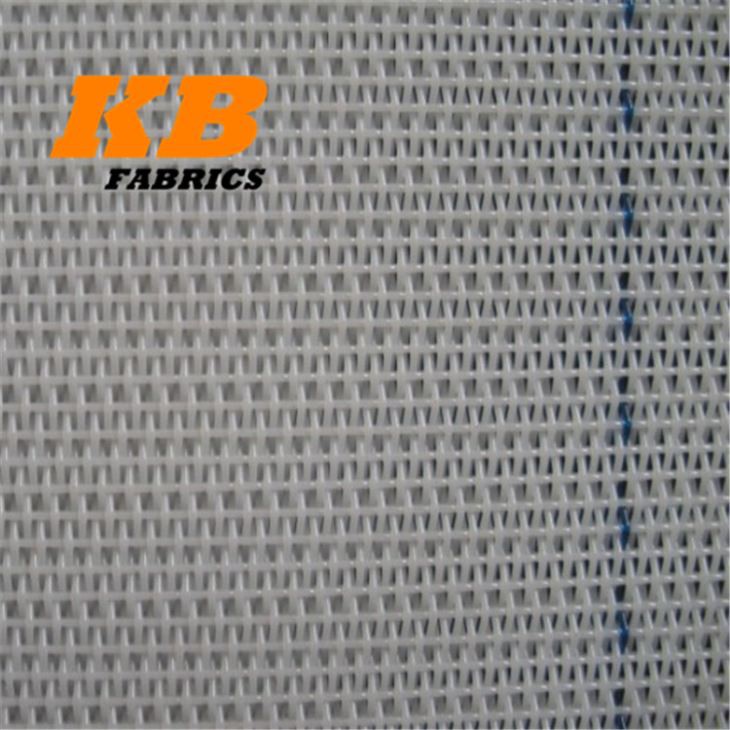

The primary function of a dryer screen is to provide a support surface for the material being dried and to ensure uniform airflow or heat distribution. This helps to prevent uneven drying, which can lead to product quality issues such as over - drying in some areas and under - drying in others.
Compatibility with Commercial Dryers
Commercial dryers come in a wide range of types and sizes, each designed for specific industries and applications. Some common types of commercial dryers include rotary dryers, fluidized bed dryers, conveyor dryers, and spray dryers.
The compatibility of a dryer screen with a commercial dryer depends on several factors:
- Size and Dimensions: The dryer screen must be the right size to fit into the commercial dryer. This includes both the length and width of the screen, as well as any specific mounting requirements. For example, in a conveyor dryer, the screen needs to be able to fit seamlessly onto the conveyor belt system.
- Material Compatibility: The material of the dryer screen must be compatible with the environment inside the commercial dryer. If the dryer operates at high temperatures, the screen material must be able to withstand those temperatures without melting or degrading. For instance, in a high - temperature rotary dryer, a stainless - steel dryer screen might be a better choice than a polyester one.
- Airflow Requirements: Different commercial dryers have different airflow patterns and requirements. The dryer screen should be designed to allow for the appropriate amount of air to pass through. A screen with too fine a mesh may restrict airflow, while a screen with too large a mesh may not retain the material being dried effectively.
Benefits of Using Dryer Screens in Commercial Dryers
- Improved Product Quality: By ensuring uniform airflow and heat distribution, dryer screens can significantly improve the quality of the dried product. This is particularly important in industries such as food processing, where consistent product quality is crucial for consumer acceptance.
- Increased Efficiency: A well - designed dryer screen can help to reduce drying times by allowing for more efficient heat transfer. This can lead to cost savings in terms of energy consumption and increased production throughput.
- Reduced Maintenance: Dryer screens can help to protect the internal components of the commercial dryer from damage caused by the material being dried. For example, in a fluidized bed dryer, a screen can prevent particles from entering and clogging the air distribution system.
Limitations and Considerations
- Initial Cost: High - quality dryer screens can be relatively expensive, especially if they are made from specialized materials or have complex designs. However, it is important to consider the long - term benefits in terms of improved product quality and efficiency.
- Cleaning and Maintenance: Dryer screens need to be regularly cleaned to prevent clogging, which can affect their performance. In some cases, cleaning can be a time - consuming and labor - intensive process, especially if the screen is difficult to access within the commercial dryer.
- Wear and Tear: Over time, dryer screens can experience wear and tear, especially in high - abrasion environments. This may require periodic replacement of the screen, which adds to the overall operating cost.
Our Product Offerings
As a dryer screen supplier, we offer a wide range of dryer screens suitable for various commercial dryer applications. Our Wood Industry Polyester Process Belts are specifically designed for the wood industry, providing excellent airflow and durability. These belts are made from high - quality polyester materials, which can withstand the rigors of commercial drying processes.
Our Polyester Woven Dryer Fabrics are another popular choice. They are known for their uniform mesh structure, which ensures consistent airflow and heat distribution. These fabrics are suitable for a variety of commercial dryers, including conveyor dryers and fluidized bed dryers.
For applications that require a more robust and long - lasting solution, our Woven Dryer Fabrics made from polyester monofilament round yarns are an ideal option. They offer high tensile strength and resistance to abrasion, making them suitable for high - volume commercial drying operations.
Conclusion
In conclusion, dryer screens can indeed be used in commercial dryers, but careful consideration must be given to factors such as size, material compatibility, and airflow requirements. When selected and used correctly, dryer screens can offer significant benefits in terms of product quality, efficiency, and maintenance.
If you are in the market for dryer screens for your commercial dryer, we invite you to contact us for a detailed discussion about your specific requirements. Our team of experts is ready to assist you in finding the right dryer screen solution for your business.
References
- "Industrial Drying Technology" by Arun S. Mujumdar. This book provides a comprehensive overview of different types of industrial dryers and their components.
- Technical reports from dryer manufacturers, which offer insights into the specific requirements and compatibility of dryer screens with commercial dryers.