

Can dryer fabrics be used with clothes that have been starched?
As a seasoned supplier of dryer fabrics, I often encounter various questions from customers. One query that frequently arises is whether dryer fabrics can be used with clothes that have been starched. This topic not only piques the interest of those who take pride in well - starched clothing but also has practical implications for maintaining the quality of both the clothes and the dryer fabrics.
Understanding Starching and Dryer Fabrics
Before delving into the compatibility of dryer fabrics with starched clothes, it's essential to understand what starching and dryer fabrics are. Starching is a process where a starch solution is applied to fabrics, typically cotton or linen, to add stiffness, body, and a crisp appearance. Starch acts as a filler between the fabric fibers, making the clothes look more structured and reducing wrinkling.
On the other hand, dryer fabrics are designed to be used in the dryer to reduce static cling, soften fabrics, and impart a pleasant fragrance. They are usually made of a soft, absorbent material coated with a thin layer of chemicals that are activated by the heat in the dryer.
The Chemical and Physical Interactions
The chemicals on dryer fabrics are formulated to interact with the fabric fibers to achieve their intended effects. When it comes to starched clothes, there are potential chemical and physical interactions to consider.
Chemically, the starch on the clothes is a polysaccharide, a complex carbohydrate. The chemicals on dryer fabrics, such as cationic surfactants used to reduce static, may interact with the starch. In some cases, these interactions could cause the starch to break down or change its properties. For example, if the surfactant has a pH that is incompatible with the starch, it might lead to hydrolysis of the starch molecules, resulting in a loss of the crispness that the starch provides.
Physically, the dryer fabric may also interfere with the distribution of the starch on the fabric. As the dryer fabric tumbles with the starched clothes, it could rub against the clothes and dislodge some of the starch particles. This could lead to uneven starch distribution, with some areas of the clothes losing their stiffness while others remain starched.
Potential Benefits of Using Dryer Fabrics with Starched Clothes
Despite the potential interactions, there are also some benefits to using dryer fabrics with starched clothes.
Reducing Static
One of the main advantages is the reduction of static cling. Starched clothes are often more prone to static electricity, especially in dry environments. The static can cause the clothes to stick to the body or to each other, which is not only uncomfortable but also can make the clothes look messy. Dryer fabrics can effectively neutralize the static charge on the starched clothes, making them more comfortable to wear and easier to handle.
Softening the Edges
Dryer fabrics can also help to soften the edges of the starched clothes. While starch provides stiffness, it can sometimes make the fabric feel harsh, especially at the seams and hems. The softening agents in the dryer fabric can mitigate this harshness, making the clothes more comfortable to wear.
Potential Drawbacks
However, there are also several drawbacks that need to be considered.
Loss of Starch Effect
As mentioned earlier, the interaction between the dryer fabric and the starched clothes can lead to a loss of the starch effect. The clothes may lose their crispness and become more wrinkled than intended. This is a significant concern for those who rely on starch to keep their clothes looking sharp, such as in professional settings where a well - starched appearance is expected.
Residue Buildup
Another potential issue is the buildup of residue. The chemicals on the dryer fabric may leave a residue on the starched clothes. This residue can not only affect the appearance of the clothes but also make them more difficult to clean in subsequent washes. Over time, the residue buildup could also attract dirt and stains more easily.
Testing and Recommendations
To determine whether dryer fabrics can be used with starched clothes, it's advisable to conduct a small - scale test. Select an inconspicuous area of a starched garment and place it in the dryer with a dryer fabric. Observe the results after the drying cycle. Check for any signs of starch breakdown, loss of crispness, or residue buildup.
Based on my experience as a dryer fabric supplier, if you decide to use dryer fabrics with starched clothes, it's best to use them sparingly. You could use half of a dryer fabric sheet or use a dryer ball instead, as dryer balls do not have the same chemical coating as dryer fabric sheets.
The Role of Dryer Fabrics in the Paper Industry
It's interesting to note that dryer fabrics also play a crucial role in industries other than the clothing industry. For example, in the paper industry, dryer fabrics are used in paper machines to help dry the paper. Just like in the clothing dryer, these dryer fabrics need to interact with the material (paper in this case) in a way that achieves the desired results.
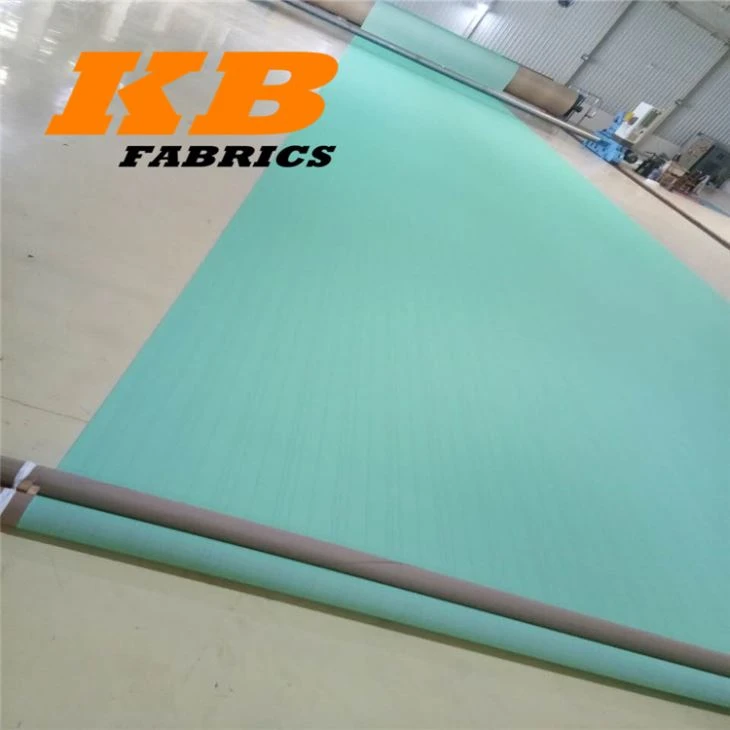
If you are interested in the paper industry applications of dryer fabrics, you might want to explore Paper Machine Forming Wires, SSB Three Layer Forming Fabric For Paper Making, and Polyester Belt Press. These products are designed to meet the specific needs of paper manufacturing processes.

Conclusion
In conclusion, the question of whether dryer fabrics can be used with starched clothes is not a straightforward one. There are potential chemical and physical interactions that could affect the quality of the starched clothes, but there are also some benefits such as reducing static and softening the edges.
If you value the crispness and stiffness of starched clothes, it's advisable to test the combination on a small scale first. If you decide to use dryer fabrics, use them sparingly to minimize the negative impacts on the starch.
As a dryer fabric supplier, I understand the importance of providing products that meet the diverse needs of our customers. Whether you are dealing with starched clothes or have applications in other industries, we are committed to offering high - quality dryer fabrics. If you have any questions or are interested in purchasing our dryer fabrics, please feel free to contact us for further discussion and procurement.
References
- "Textile Chemistry: Fundamentals and Applications" by Christopher C. Cooke
- "Handbook of Detergents" edited by Michael S. Showell