

How does forming net impact the environment?
Hey there! I'm a supplier of forming nets, and today I want to chat about how these nifty products impact the environment. You might be wondering, "What's a forming net anyway?" Well, it's a crucial part in the paper - making process, and it plays a significant role in how sustainable the whole operation can be.
Let's start with the basics. Forming nets are used in paper machines to help form the paper sheet from the pulp. They're like the unsung heroes of the paper - making world. But as with any industrial product, there are environmental implications to consider.
One of the big environmental concerns when it comes to forming nets is the material they're made of. Most of the time, forming nets are crafted from synthetic materials like polyester. Polyester is a type of plastic, and we all know that plastic production can be pretty rough on the environment. The manufacturing process of polyester requires a lot of energy, mainly from non - renewable sources like fossil fuels. When we burn fossil fuels to make these nets, we release a ton of greenhouse gases into the atmosphere, which contribute to global warming.
But it's not all doom and gloom. As a forming net supplier, we're constantly looking for ways to reduce the environmental impact of our products. For instance, some manufacturers are now exploring the use of recycled polyester. By using recycled materials, we can cut down on the amount of new plastic being produced. This not only saves energy but also reduces the amount of waste that ends up in landfills.
Another aspect to think about is the lifespan of forming nets. In an ideal world, a forming net would last a long time without needing to be replaced. However, in reality, they do wear out over time. When a forming net reaches the end of its life, what happens to it? If it's just thrown away, it becomes part of the ever - growing mountain of waste.
To address this issue, some companies are implementing recycling programs for used forming nets. Instead of tossing them out, the nets can be broken down and turned into new products. This kind of circular economy approach is super important for minimizing waste and making the most of our resources.
Now, let's talk about the water usage associated with forming nets. In the paper - making process, water is used to transport the pulp through the machine and onto the forming net. Once the paper is formed, the water has to be removed. This water often contains various chemicals and contaminants from the pulp and the manufacturing process. If this wastewater isn't treated properly, it can end up polluting local water sources, harming aquatic life and affecting the quality of drinking water.
As a responsible supplier, we're working with paper mills to ensure that water treatment systems are in place. These systems can remove the harmful substances from the wastewater before it's released back into the environment. By doing this, we can significantly reduce the pollution caused by the paper - making process.
When it comes to the performance of forming nets, it also has an environmental angle. A high - quality forming net can improve the efficiency of the paper - making process. It can help the paper dry faster, which means less energy is needed to heat the paper and remove the remaining moisture. This reduction in energy consumption is great for the environment, as it means fewer greenhouse gas emissions.
There are also different types of forming nets available in the market, each with its own set of characteristics. For example, the Fourdrinier Paper Making Polyester Forming Fabrics are designed for a specific type of paper - making machine. These fabrics are engineered to provide a smooth surface for the paper to form on, which can lead to better - quality paper. By producing high - quality paper with less waste, we can make the overall paper - making process more sustainable.
The Forming Fabrics also come in various configurations to suit different paper - making needs. Whether it's for making thin tissue paper or thick cardboard, there's a forming fabric that can do the job. By choosing the right forming fabric, paper mills can optimize their production processes, reduce waste, and save energy.
Another related product is the Corrugator Belt. This belt is used in the production of cardboard, which is a widely used packaging material. Similar to forming nets, the corrugator belt has an environmental impact. However, by using advanced materials and manufacturing techniques, we can make these belts more durable and efficient, reducing the need for frequent replacements and minimizing waste.
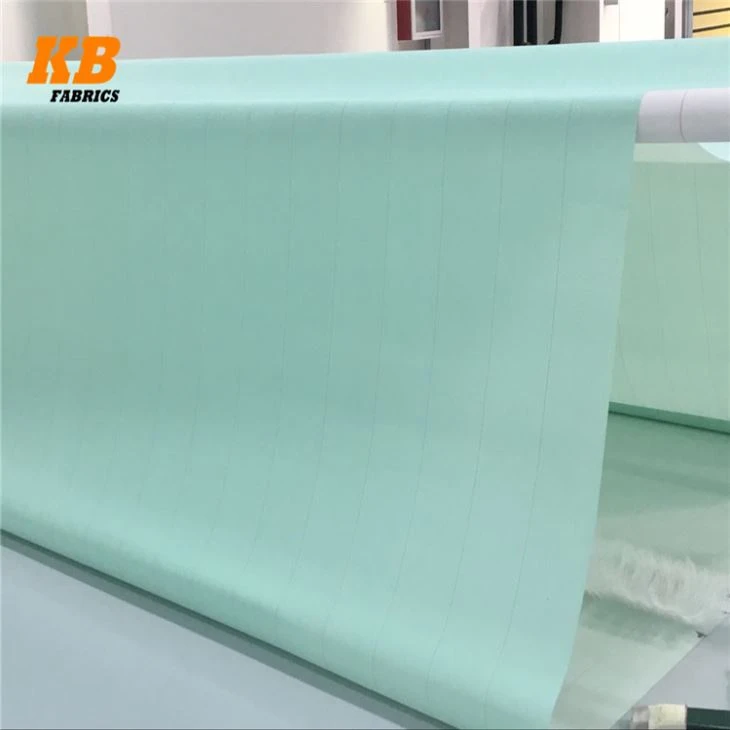

So, as you can see, the environmental impact of forming nets is a complex issue with many different factors at play. But as a supplier, we're committed to making a positive difference. We're constantly researching and developing new products and technologies to reduce the environmental footprint of our forming nets.
If you're in the paper - making industry and are looking for a forming net supplier that cares about the environment, we'd love to hear from you. Whether you need advice on choosing the right forming net for your machine or want to learn more about our sustainable products, we're here to help. Get in touch with us to start a conversation about how we can work together to make your paper - making process more environmentally friendly.
References
- "Sustainable Materials in the Paper Industry" - Journal of Environmental Science in the Paper Sector
- "Recycling and Waste Management in Paper Manufacturing" - International Paper Research Foundation