

How to clean a belt press?
As a belt press supplier, I understand the critical importance of proper maintenance and cleaning for these machines. A well - maintained belt press not only operates more efficiently but also has a longer lifespan, which ultimately saves costs for our customers. In this blog, I will share a comprehensive guide on how to clean a belt press.
Pre - cleaning Preparation
Before you start cleaning the belt press, it is essential to take some safety precautions. First, turn off the power supply of the belt press to avoid any electrical accidents. Wear appropriate personal protective equipment (PPE), such as gloves, safety goggles, and protective clothing, as you may come into contact with chemicals and dirty materials during the cleaning process.
Next, gather all the necessary cleaning tools and supplies. These typically include a high - pressure water hose, cleaning brushes of different sizes and stiffness, mild detergents, and a vacuum cleaner if needed. It is also a good idea to have a checklist to ensure that you don't miss any steps during the cleaning.
Cleaning the Belts
The belts are the heart of the belt press, and they require thorough cleaning. Start by visually inspecting the belts for any signs of damage, such as cuts, tears, or excessive wear. If you find any issues, it may be necessary to replace the belts or make repairs before proceeding with the cleaning.
Use a high - pressure water hose to rinse off the loose debris on the belts. Start from one end of the belt and work your way to the other, ensuring that all areas are covered. For stubborn dirt and debris, you can use a cleaning brush. A stiff - bristled brush can be used for heavy - duty cleaning, while a soft - bristled brush is suitable for more delicate areas.
After rinsing, apply a mild detergent to the belts. You can use a spray bottle to evenly distribute the detergent. Let the detergent sit on the belts for a few minutes to break down the dirt. Then, use the cleaning brushes again to scrub the belts gently. Pay special attention to the areas where sludge and dirt tend to accumulate, such as the edges and the folds of the belts.

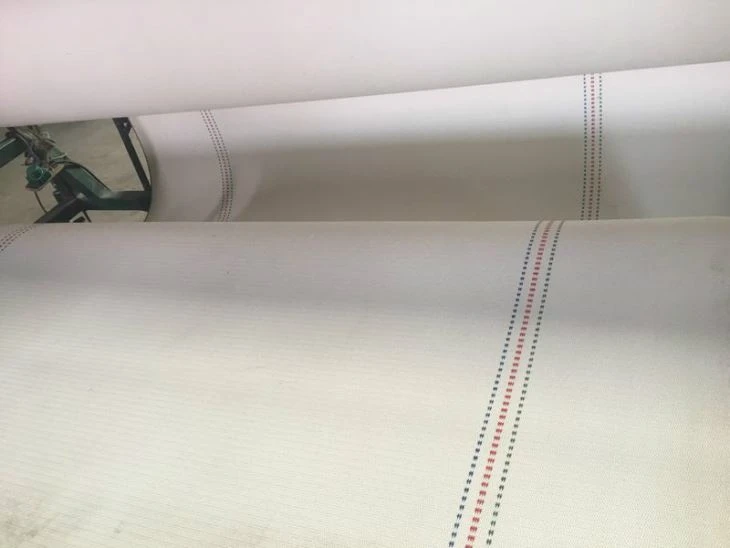
Once you have scrubbed the belts, rinse them thoroughly with clean water. Make sure that all the detergent is removed, as any residual detergent can cause problems in the future operation of the belt press. You may need to repeat the rinsing process several times to ensure complete removal of the detergent.
If your belt press uses Polyester Triple Layers Forming Fabric, it is important to follow the manufacturer's instructions for cleaning. This type of fabric may require special cleaning agents or techniques to maintain its performance and longevity.
Cleaning the Rollers
The rollers play a crucial role in the operation of the belt press, and they also need to be cleaned regularly. First, remove any debris that is stuck to the rollers using a cleaning brush or a vacuum cleaner. Be careful not to scratch the surface of the rollers during this process.
Next, use a clean cloth soaked in a mild detergent solution to wipe the rollers. Gently rub the cloth along the length of the rollers to remove dirt and grime. For hard - to - reach areas, you can use a small brush.
After wiping the rollers with the detergent - soaked cloth, rinse them with clean water. Make sure to dry the rollers thoroughly to prevent rusting. You can use a dry cloth or compressed air to dry the rollers.
Cleaning the Frame and Other Components
The frame and other components of the belt press, such as the support structures and the guards, also need to be cleaned. Use a high - pressure water hose to rinse off the dirt and debris from the frame. If there are any stubborn stains, you can use a cleaning brush and a mild detergent to scrub them.
For the electrical components and control panels, be extremely careful. Do not use water directly on these components. Instead, use a dry cloth to wipe off any dust or dirt. If necessary, you can use a small amount of compressed air to blow out the dust from the hard - to - reach areas.
The Corrugated Cloth Belt For Paper Board Machine and Cardboard Corrugated Conveyor Belt are important parts of some belt press systems. When cleaning these belts, follow the same general principles as for the main belts, but also pay attention to their specific features and requirements.
Post - cleaning Inspection
After completing the cleaning process, conduct a final inspection of the belt press. Check the belts for any remaining dirt or damage. Make sure that all the components are properly tightened and that there are no loose parts.
Inspect the rollers to ensure that they rotate freely and that there is no excessive friction. Check the electrical connections and the control panels to make sure that everything is in working order.
Frequency of Cleaning
The frequency of cleaning a belt press depends on several factors, such as the type of material being processed, the operating conditions, and the volume of production. In general, it is recommended to clean the belt press at least once a week for light - duty applications and more frequently for heavy - duty applications.
Conclusion
Cleaning a belt press is a crucial part of its maintenance. By following the steps outlined in this guide, you can ensure that your belt press operates at its best and has a long service life. If you have any questions or need further assistance with cleaning or maintaining your belt press, please feel free to contact us. We are always ready to help you make the most of your belt press investment and ensure its optimal performance. Whether you are looking for more information on belt press cleaning or considering purchasing a new belt press or related accessories such as Polyester Triple Layers Forming Fabric, Corrugated Cloth Belt For Paper Board Machine, or Cardboard Corrugated Conveyor Belt, don't hesitate to reach out for a professional consultation.
References
- Belt Press Manufacturer's Manuals
- Industry Best Practices for Belt Press Maintenance and Cleaning