

How to reduce the vibration of a spiral belt?
Hey there! I'm a supplier of spiral belts, and I know firsthand how frustrating it can be when these belts start vibrating. Vibration in spiral belts isn't just annoying; it can lead to all sorts of problems like wear and tear, reduced efficiency, and even affect the quality of the products they're used to make. So, in this blog, I'm gonna share some tips on how to reduce the vibration of a spiral belt.
Understanding the Causes of Spiral Belt Vibration
Before we can fix the vibration problem, we need to understand what's causing it. There are a few common culprits:
- Misalignment: If the belt isn't properly aligned on the pulleys, it can cause uneven tension and lead to vibration. This can happen during installation or over time due to wear and tear.
- Imbalance: An imbalanced belt or pulley can also cause vibration. This might be because of uneven weight distribution, damaged components, or debris buildup.
- Tension Issues: Incorrect belt tension is a major cause of vibration. If the belt is too loose, it can slip and vibrate. On the other hand, if it's too tight, it can put extra stress on the belt and pulleys, leading to vibration and premature wear.
- External Factors: Things like uneven floors, vibrations from nearby machinery, or improper mounting can also contribute to belt vibration.
Tips to Reduce Spiral Belt Vibration
1. Proper Installation and Alignment
- Check the Pulleys: Make sure the pulleys are clean, free of damage, and properly aligned. Use a straightedge or laser alignment tool to ensure they're in line. Even a small misalignment can cause significant vibration.
- Install the Belt Correctly: Follow the manufacturer's instructions for installing the belt. Make sure it's centered on the pulleys and that the tension is evenly distributed.
2. Adjust the Belt Tension
- Use a Tension Gauge: A tension gauge is a handy tool that can help you measure the belt tension accurately. Aim for the tension recommended by the belt manufacturer.
- Regular Checks: Belt tension can change over time, so it's important to check it regularly. Make adjustments as needed to keep the tension within the proper range.
3. Balance the Belt and Pulleys
- Inspect for Damage: Look for any signs of damage or wear on the belt and pulleys. Replace any damaged components to ensure proper balance.
- Clean the Components: Remove any debris or buildup from the belt and pulleys. This can help improve balance and reduce vibration.
4. Dampen External Vibrations
- Isolate the Machine: If possible, mount the machine on vibration - isolating pads or mounts. This can help reduce the transfer of vibrations from the floor or nearby machinery.
- Check the Surroundings: Make sure there are no other machines or equipment nearby that are causing excessive vibrations. If there are, consider relocating or adding additional vibration - dampening measures.
5. Upgrade to High - Quality Components
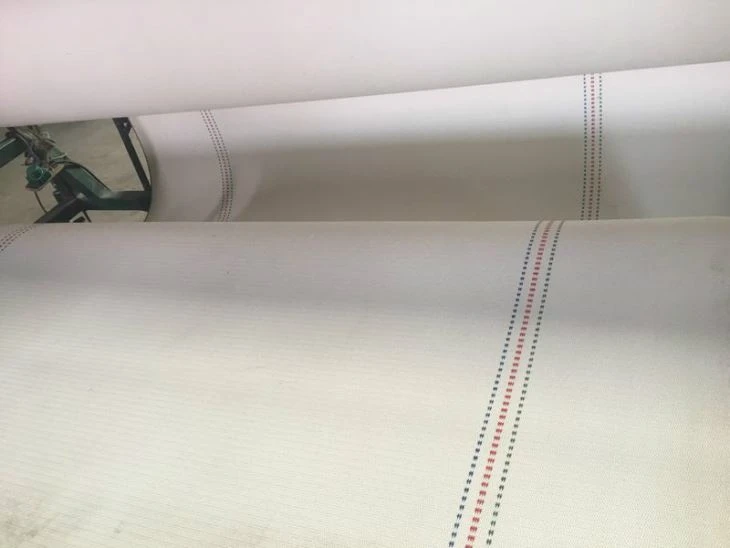
- Choose the Right Belt: Using a high - quality spiral belt can make a big difference. Look for belts that are designed to resist vibration and have good flexibility and durability. For example, you might consider Corrugated Woven Belt or Polyester Forming Fabrics which are known for their performance.
- Invest in Good Pulleys: Similarly, high - quality pulleys can help reduce vibration. They should be made of durable materials and have a smooth surface to minimize friction.
6. Regular Maintenance
- Inspect the Belt Regularly: Check the belt for signs of wear, cracks, or damage. Replace it if necessary to prevent further problems.
- Lubricate Moving Parts: If applicable, lubricate the pulleys and other moving parts according to the manufacturer's recommendations. This can help reduce friction and vibration.
Real - World Examples
Let me share a real - world example. One of my customers was having a lot of problems with vibration in their paper board machine. The Corrugated Cloth Belt For Paper Board Machine they were using was vibrating so much that it was affecting the quality of the paper board and causing premature wear on the belt and pulleys.
We started by checking the alignment of the pulleys and found that they were slightly misaligned. After realigning them using a laser alignment tool, the vibration reduced significantly. We also adjusted the belt tension using a tension gauge to ensure it was within the proper range.
In addition, we recommended upgrading to a higher - quality corrugated cloth belt. The new belt was more flexible and better able to resist vibration. After these changes, the customer reported a dramatic improvement in the performance of their machine. The vibration was almost completely eliminated, and the quality of the paper board improved.
Conclusion
Reducing the vibration of a spiral belt is crucial for the smooth operation of your machinery and the quality of your products. By following these tips, you can minimize vibration and extend the lifespan of your belt and other components.
If you're facing problems with spiral belt vibration or are looking for high - quality spiral belts and related products, don't hesitate to reach out. We're here to help you find the best solutions for your specific needs. Whether it's choosing the right belt, ensuring proper installation, or providing maintenance advice, we've got you covered. Contact us today to start a discussion about your requirements and let's work together to get your machinery running at its best.

References
- Belt Manufacturer's Installation and Maintenance Guides
- Industry Research on Belt Vibration Reduction Techniques