

What are the challenges in using filter fabric?
As a filter fabric supplier, I have witnessed firsthand the widespread use and numerous benefits of filter fabrics across various industries. Filter fabrics play a crucial role in applications such as filtration, separation, and dewatering. They are used in sectors like wastewater treatment, mining, food and beverage, and chemical processing. However, like any other product, there are challenges associated with using filter fabrics. In this blog, I will explore some of these challenges and discuss how they can be addressed.
Compatibility with Filter Medium
One of the primary challenges in using filter fabric is ensuring its compatibility with the filter medium. Different applications require specific types of filter fabrics to achieve optimal filtration efficiency. For example, in a wastewater treatment plant, the filter fabric needs to be able to effectively separate solids from the liquid while allowing the passage of clean water. If the fabric is not compatible with the contaminants in the wastewater, it may clog quickly or fail to provide adequate filtration.
When selecting a filter fabric, it is essential to consider factors such as the particle size of the contaminants, the pH level of the fluid, and the chemical composition of the filter medium. Our Polyester Plain Woven Square Mesh Filter Belt Fabrics are designed to be highly versatile and compatible with a wide range of filter media. They are made from high-quality polyester fibers that offer excellent chemical resistance and durability, making them suitable for challenging filtration applications.
Clogging and Fouling
Clogging and fouling are common problems that can significantly reduce the performance of filter fabrics. Over time, particles and contaminants can accumulate on the surface of the fabric, blocking the pores and restricting the flow of fluid. This not only reduces the filtration efficiency but also increases the energy consumption required to maintain the flow.
To prevent clogging and fouling, regular maintenance and cleaning of the filter fabric are essential. Depending on the application, different cleaning methods can be used, such as backwashing, ultrasonic cleaning, or chemical cleaning. For example, in a sludge dewatering process, our Sludge Dewatering Filter Belt Fabric For Waste Water can be designed with a self-cleaning mechanism to remove the accumulated solids during the dewatering cycle. Additionally, using pre-filtration systems can help to reduce the load on the main filter fabric and extend its service life.
Abrasion and Wear
Filter fabrics are often exposed to harsh conditions, including high pressures, abrasive particles, and mechanical stress. This can lead to abrasion and wear of the fabric, which can compromise its integrity and performance. In applications such as mining and construction, where the filter fabric is used to separate large volumes of solids from liquids, the risk of abrasion is particularly high.

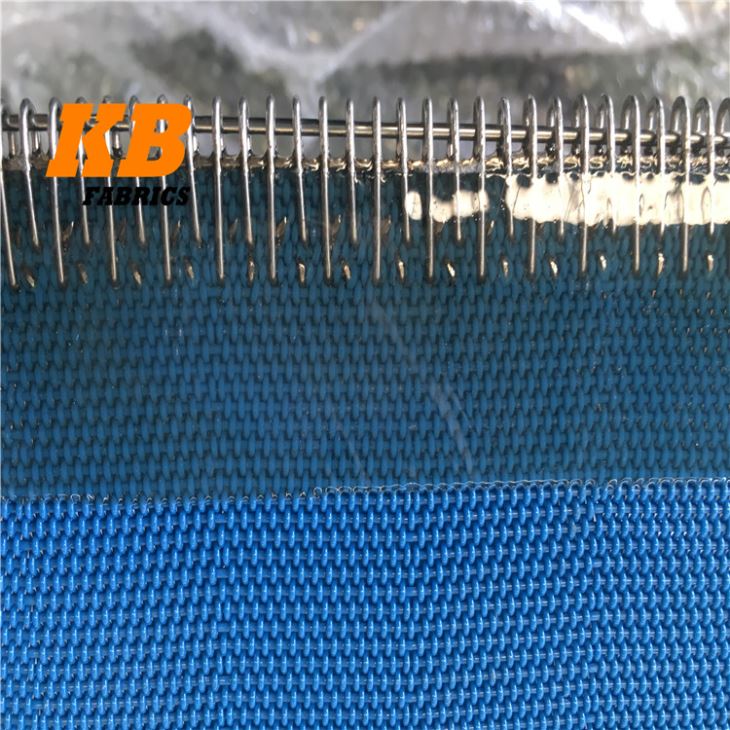
To address the issue of abrasion and wear, it is important to choose a filter fabric with high abrasion resistance. Our Polyester Sludge Dehydration Woven Filter Fabrics are engineered to withstand the rigors of demanding applications. They are made from high-strength polyester fibers that are tightly woven to provide excellent abrasion resistance and long-term durability. Additionally, proper installation and tensioning of the filter fabric can help to reduce the stress on the fabric and minimize the risk of wear.
Operating Conditions
The operating conditions of a filtration system can also pose challenges for the use of filter fabrics. Factors such as temperature, pressure, and humidity can all affect the performance and lifespan of the fabric. For example, in high-temperature applications, the filter fabric may need to be able to withstand the heat without losing its strength or filtration efficiency. In humid environments, the fabric may be more susceptible to mold and mildew growth, which can affect its performance.
When selecting a filter fabric, it is important to consider the specific operating conditions of the application. Our team of experts can help you choose the right filter fabric based on your requirements. We offer a wide range of filter fabrics that are designed to perform well in different operating conditions, including high-temperature and high-humidity environments.
Cost and Efficiency
Another challenge in using filter fabrics is finding the right balance between cost and efficiency. While high-quality filter fabrics may offer better performance and longer service life, they can also be more expensive. On the other hand, using low-cost filter fabrics may result in frequent replacements and higher operating costs in the long run.
To optimize cost and efficiency, it is important to consider the total cost of ownership of the filter fabric. This includes not only the initial purchase price but also the cost of maintenance, replacement, and energy consumption. Our filter fabrics are designed to offer a high level of performance at a competitive price. By choosing our products, you can achieve the best balance between cost and efficiency and reduce your overall operating costs.
Conclusion
In conclusion, while filter fabrics offer many benefits in various filtration applications, there are several challenges that need to be addressed. These challenges include compatibility with the filter medium, clogging and fouling, abrasion and wear, operating conditions, and cost and efficiency. By understanding these challenges and taking appropriate measures to address them, you can ensure the optimal performance and longevity of your filter fabrics.
As a leading filter fabric supplier, we are committed to providing our customers with high-quality filter fabrics and excellent customer service. If you are facing any challenges in using filter fabrics or need help in selecting the right product for your application, please do not hesitate to contact us for a purchase negotiation. We have a team of experienced professionals who can assist you in finding the best solution for your needs.
References
- "Filtration Handbook" by Peter A. Williams
- "Principles of Filtration" by Richard H. Perry