

What is the drying pattern of paper in a microwave?
Yo, what's up everyone! I'm a supplier in the paper drying game, and today I wanna chat about the drying pattern of paper in a microwave. It's a pretty interesting topic, and I've got some insights to share based on my experience in the industry.

First off, let's talk about why we're even looking at drying paper in a microwave. In the paper - making process, drying is a crucial step. Traditional drying methods like using large drying cylinders or conveyor dryers have been around for ages, but microwaves offer a different approach. They can potentially speed up the drying process and give us more control over how the paper dries.
When you put a piece of paper in a microwave, the drying pattern is influenced by a bunch of factors. One of the main things is the moisture distribution in the paper initially. If the paper has uneven moisture, the microwave will heat the wetter areas more because water absorbs microwave energy better than dry paper. This can lead to a situation where the wet spots dry faster, but it can also cause some problems. For example, if the moisture difference is too extreme, the wetter parts might over - heat and cause the paper to burn or warp.
Another factor is the thickness of the paper. Thicker paper takes longer to dry in a microwave compared to thinner paper. The microwave energy has to penetrate deeper into the thicker paper to reach the moisture inside. This means that the outer layers of the thick paper might dry quickly, while the inner layers are still wet. As a result, you might end up with a paper that has a dry outer shell and a moist core.
The shape and size of the paper also matter. If you have a large sheet of paper, the edges might dry faster than the center. This is because the edges are more exposed to the microwave field, and there's less paper mass around them to absorb the energy. Smaller pieces of paper, on the other hand, tend to dry more evenly because the microwave energy can reach all parts of the paper more easily.
Now, let's talk about how this knowledge can be useful for us as a paper drying supplier. Understanding the drying pattern in a microwave helps us develop better drying solutions. For example, we can design microwaves or drying systems that can adjust the energy distribution based on the paper's characteristics. If we know that a particular type of paper has uneven moisture, we can program the microwave to focus more energy on the wetter areas.
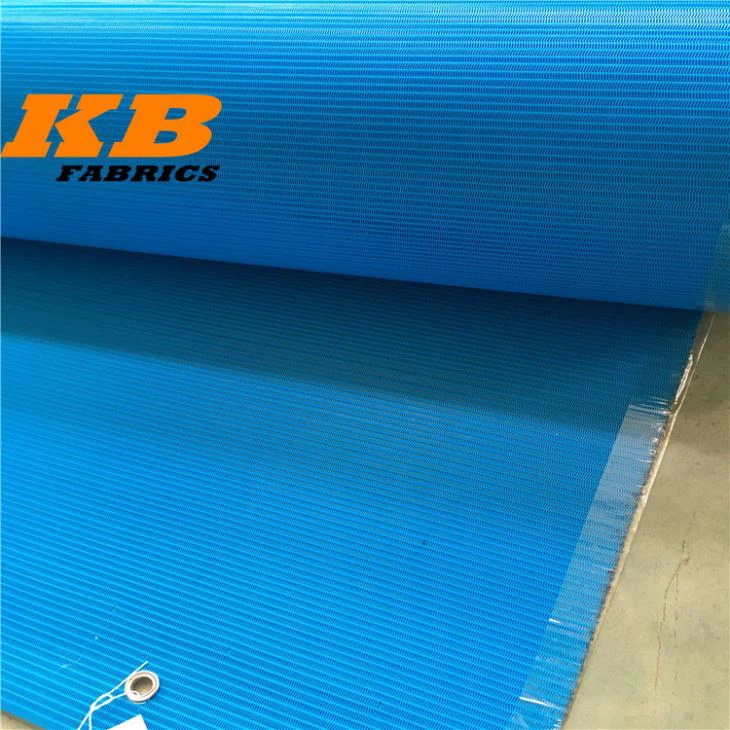
We also offer a range of products that can be used in the paper drying process. For instance, we have the Polyester Monofilament Spiral Conveyor Dryer Mesh For Paper Making. This mesh is great for transporting paper through the drying process. It's made of high - quality polyester monofilament, which is durable and can withstand the heat and moisture in the drying environment.
Another product we have is the Spiral Dryer Fabrics For Paper Making. These fabrics are designed to provide a smooth surface for the paper to dry on. They help in distributing the heat evenly across the paper, which can reduce the chances of uneven drying.
And then there are the Polyester Spiral Fabrics. These fabrics are flexible and can be customized to fit different drying machines. They play an important role in ensuring that the paper is dried efficiently and effectively.
When it comes to using microwaves for paper drying, there are still some challenges. One of the big ones is safety. Microwaves can be dangerous if not used properly. There's a risk of fire if the paper over - heats, and there are also concerns about radiation leakage. That's why we at our company are constantly working on developing safety features for our microwave - based drying systems.
We're also doing a lot of research to optimize the drying process. We're looking at how different types of paper respond to microwaves, and we're trying to find the best settings for each type. This way, we can offer our customers a more tailored drying solution.
In addition to the technical aspects, there are also some economic considerations. Using microwaves for paper drying can potentially save energy compared to traditional drying methods. Since microwaves heat the water directly in the paper, there's less energy wasted on heating the surrounding air or equipment. This can lead to cost savings for our customers in the long run.
However, the initial investment in microwave drying equipment can be high. That's why we're working on making our products more affordable. We're looking at ways to reduce the manufacturing costs without compromising on the quality of our drying systems.
If you're in the paper - making business and you're interested in exploring microwave - based paper drying, we'd love to hear from you. Whether you have questions about the drying pattern, our products like the Polyester Monofilament Spiral Conveyor Dryer Mesh For Paper Making, Spiral Dryer Fabrics For Paper Making, or Polyester Spiral Fabrics, or you just want to discuss your specific drying needs, don't hesitate to reach out. We're here to help you find the best paper drying solution for your business.
In conclusion, the drying pattern of paper in a microwave is a complex but fascinating topic. By understanding the factors that influence it, we can develop better drying technologies and products. And as a paper drying supplier, we're committed to using this knowledge to provide our customers with high - quality, efficient, and cost - effective paper drying solutions. So, if you're ready to take your paper drying process to the next level, let's start a conversation!
References
- Some basic knowledge about microwave heating and paper properties from general industry literature.
- In - house research and development reports on paper drying patterns in microwaves.