

What is the effect of paper texture on drying time?
Hey there! I'm part of a paper drying supplier team, and today I wanna chat about something super interesting: the effect of paper texture on drying time. It's a topic that might not seem like a big deal at first, but it can have a huge impact on the paper - making process.
Let's start by understanding what paper texture actually means. Paper texture refers to the surface characteristics of the paper, like its smoothness, roughness, porosity, and density. These features are determined by a bunch of factors, such as the type of fibers used, the manufacturing process, and any additional treatments the paper might go through.
Now, why does paper texture matter when it comes to drying time? Well, it all boils down to how water interacts with the paper. Different textures can either hold onto water more tightly or let it escape more easily.
Smooth vs. Rough Paper
Smooth paper has a tight - knit surface where the fibers are closely packed together. This means there are fewer spaces for water to get trapped in. When water is applied to smooth paper, it tends to sit on the surface rather than being absorbed deeply. As a result, the water can evaporate relatively quickly, and the drying time is usually shorter.
On the other hand, rough paper has a more uneven surface with lots of nooks and crannies. Water can seep into these spaces and get trapped, making it harder for the water to evaporate. This leads to a longer drying time. For example, think about a piece of construction paper, which is relatively rough. It takes longer to dry after getting wet compared to a glossy photo paper, which is very smooth.
Porous vs. Dense Paper
Porous paper is full of tiny holes or pores that allow water to penetrate deep into the paper. While this might seem like it would speed up drying because the water can spread out, it actually has the opposite effect. The water gets held within the pores, and the large surface area of the water within the paper slows down the evaporation process.
Dense paper, on the other hand, has fewer pores and a more compact structure. Water has a harder time getting into the paper in the first place, and what little water does get on the surface can evaporate more rapidly. This is why some types of cardstock, which are dense, dry faster than a porous blotting paper.
How Our Products Fit In
As a paper drying supplier, we've got a range of products that are designed to work with different paper textures. For instance, we offer Paper Machine Polyester Spiral Loop Dryer Fabrics with Round Yarns for Paper Dryer Process. These fabrics are great for drying smooth papers. Their design allows for efficient heat transfer and air circulation, which helps speed up the evaporation of water from the paper surface.

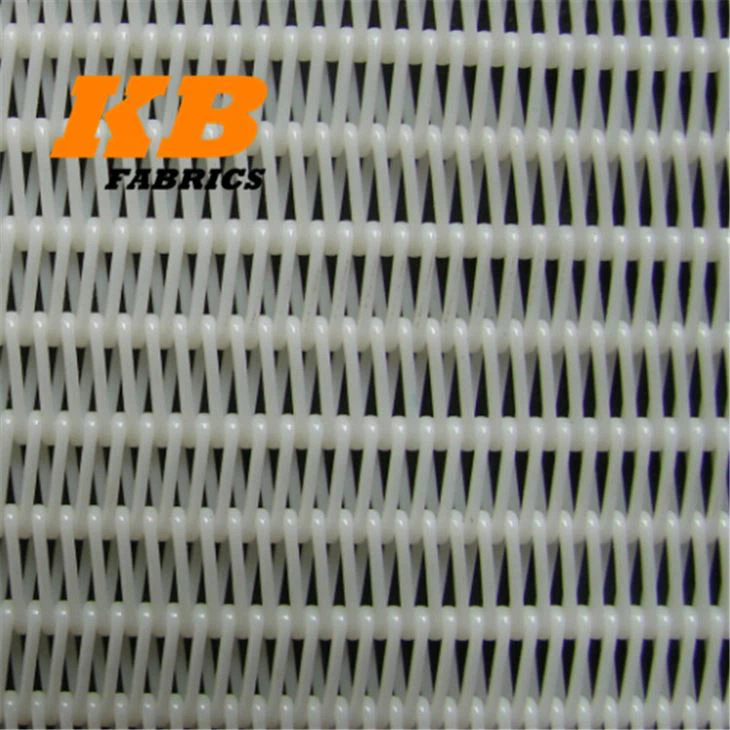
Our Polyester Monofilament Spiral Dryer Fabrics For Paper Making are another option. They're suitable for a variety of paper textures. The monofilament structure provides a good balance between support for the paper and allowing moisture to escape.
And if you're dealing with tissue paper, our Spiral Dryer Fabrics For Tissue Paper Machine are the way to go. Tissue paper is often very porous, and these fabrics are designed to handle the unique challenges of drying this type of paper quickly and evenly.
Real - World Applications
In a paper - making factory, understanding the relationship between paper texture and drying time is crucial for optimizing the production process. If you're making a large batch of smooth - surfaced magazines, you can use a faster - drying process with the appropriate dryer fabrics. This not only saves time but also reduces energy costs.
On the other hand, if you're producing rough - textured packaging paper, you need to adjust your drying process accordingly. Using the wrong dryer fabric or not allowing enough drying time can lead to issues like uneven drying, which can affect the quality of the final product.
Factors That Can Influence the Relationship
It's important to note that there are other factors that can influence how paper texture affects drying time. Humidity in the environment plays a big role. In a high - humidity environment, water evaporates more slowly, regardless of the paper texture. Temperature also matters. Higher temperatures generally speed up the evaporation process.
The type of ink or coating used on the paper can also have an impact. Some inks and coatings can form a barrier that either helps or hinders water evaporation. For example, a water - based ink might dry faster on a porous paper because it can be absorbed more easily, while an oil - based ink might take longer to dry on the same paper.
Tips for Optimizing Drying Time
If you're in the paper - making business, here are some tips to optimize drying time based on paper texture:
- Test Different Fabrics: Try out different dryer fabrics with your specific paper textures to see which ones work best. This can help you find the most efficient combination for your production.
- Control the Environment: Keep the humidity and temperature in your drying area as consistent as possible. This can help ensure that the drying process is predictable and efficient.
- Adjust the Drying Process: Based on the paper texture, you might need to adjust the speed of the paper through the dryer, the amount of heat applied, or the air circulation.
Conclusion
In conclusion, paper texture has a significant effect on drying time. Smooth and dense papers generally dry faster than rough and porous ones. As a paper drying supplier, we're here to help you navigate these challenges. Our range of dryer fabrics is designed to work with different paper textures to ensure efficient and high - quality drying.
If you're interested in learning more about how our products can help you optimize your paper - drying process, don't hesitate to reach out. We're always happy to have a chat and see how we can assist you in getting the best results for your paper - making operations. Whether you're dealing with a small - scale artisanal paper production or a large - scale industrial operation, we've got the solutions you need.
References
- "The Science of Paper Drying" - A research paper on the basic principles of paper drying.
- "Paper Texture and Its Impact on Printing and Drying" - An industry report on the relationship between paper texture and various printing and drying processes.