


Products


Paper Machine Forming Fabrics
Polyester forming fabrics (forming wire) are key paper machine clothing for the forming section. Woven from high‑strength polyester monofilaments, they ensure efficient dewatering, good fiber retention and long service life. Multiple weave structures available for different paper grades & machine speeds.
Features
Paper Machine Forming Fabrics:
Our wide range of forming fabrics can meet all kinds of customer requirements. We keep improving our forming‑fabric technology. Our paper machine forming fabrics deliver reliable runnability, high wear resistance and long using life. They also help achieve good paper profile and fiber retention. Our specially‑designed forming fabrics for different paper grades further boost dewatering performance.
Design Scheme for Forming Fabrics:
Single Layer:

Single-layer forming fabrics are the simplest and most cost-effective mesh belts for the forming section of paper machines. They are woven from interlaced warp and weft monofilaments (normally polyester) within a single plane, without separate top and bottom layers.
• 2-shed & 3-shed: Simple plain or long-crimp structures. Mainly applied for industrial filtration, sewage treatment and sludge dewatering, not fine paper production.
• 4-shed: Adopts a one-up, three-down weave pattern. It has good elasticity, easy cleaning and reliable dewatering performance.
• 5-shed: Delivers better fiber support, smoother surface and lower stretch than 4-shed fabrics.
• 8-shed: Offers the highest wear resistance and longest service life among single-layer designs, but it creates relatively deeper mesh marks on paper.
1.5 Layers:
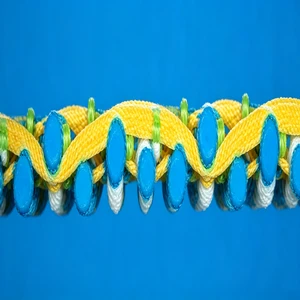
1.5-layer forming fabrics is a special type of paper machine clothing weave.
It fills the performance gap between basic single-layer and double-layer polyester meshes. Normally it is constructed on a 5-shed or 10-shed single-layer base. Extra weft (filling) yarns are added to deliver performance similar to double-layer fabrics, without complicated structue and higher cost.


2.5 Layers

Configuration: It is built on a double-layer base, with extra weft yarns added on the paper side. The ratio of top weft yarns to bottom weft yarns is usually 2:1 or higher.
Shed Patterns: Common weave types include 7-shed, 8-shed 14-shed,and 16-shed "EX" or support-weft designs.
Materials: Made from high-strength polyester monofilaments. Special wear-resistant monofilaments can be added on the machine side to extend service life.

3.0 Layers (SSB)
SSB forming fabrics are advanced multi-layer woven meshes. They are installed in the forming section of paper and board machines to drain water and support the paper web.
Weave pattern:5-shed,8-shed, and 10-shed and custom-made.
Structure: Special binder yarns connect the separate top (paper side) and bottom (wear-resistant) layers.
Top Side: Fine, dense plain weave with high Fiber Support Index. It delivers smooth sheet formation and good fiber retention.
Bottom Side: Made of thicker, durable yarns to resist heavy mechanical wear from rolls and foils.
Benefits
• Better sheet formation: Thin profile reduces wire marks on paper.
• Balanced dewatering and fiber retention.
• Less fiber carry-back, cleaner operation and fewer sheet breaks.
• Great dimensional stability. Longer service life than conventional double-layer fabrics.

Forming Fabrics Specification:
|
weave types |
model of fabric |
thread diameter |
density |
strength |
thickness |
air permeability |
max. elongation |
|||||||||||
|
mm |
pieces/cm |
N/cm |
||||||||||||||||
|
warp |
weft |
warp |
weft |
mesh |
inserting |
m3/m2.h |
||||||||||||
|
surface |
place |
|||||||||||||||||
|
single layers |
27274 |
0.2 |
0.27 |
30 |
21.5 |
>600 |
>400 |
0.51 |
7800 |
0.60% |
||||||||
|
27254 |
0.2 |
0.25 |
30 |
22 |
>600 |
>400 |
0.54 |
8800 |
0.60% |
|||||||||
|
forming fabric |
25408 |
0.22 |
0.4 |
29.5 |
19 |
>700 |
>500 |
0.91 |
8500 |
0.65% |
||||||||
|
25458 |
0.22 |
0.45 |
28.6 |
14.8 |
>700 |
>500 |
0.93 |
8000 |
0.65% |
|||||||||
|
weave types |
model of fabric |
thread diameter |
density |
strength |
thickness |
air permeability |
max. elongation |
|||||||||||
|
mm |
pieces/cm |
N/cm |
||||||||||||||||
|
warp |
weft |
warp |
weft |
mesh |
inserting |
m3/m2.h |
||||||||||||
|
surface |
place |
|||||||||||||||||
|
1.5 layers |
25408E |
0.22 |
0.18/0.40 |
28 |
27 |
>700 |
>500 |
0.87 |
7000 |
0.65% |
||||||||
|
forming fabric |
25458E |
0.22 |
0.20/0.45 |
28 |
23 |
>700 |
>500 |
0.89 |
8000 |
0.65% |
||||||||
|
weave types |
model of fabric |
thread diameter |
density |
strength |
thickness |
air permeability |
max. elongation |
|||||||||||
|
mm |
pieces/cm |
N/cm |
||||||||||||||||
|
warp |
weft |
warp |
weft |
mesh |
inserting |
mm |
m3/m2.h |
|||||||||||
|
surface |
place |
|||||||||||||||||
|
2.5 layers |
6025 |
0.17 |
0.13/0.17 |
68 |
62 |
960 |
600 |
0.7 |
5500 |
0.46% |
||||||||
|
0.20/0.20 |
||||||||||||||||||
|
6035 |
0.17 |
0.13/0.20 |
48 |
49 |
960 |
700 |
1 |
6500 |
0.45% |
|||||||||
|
forming fabric |
0.35/0.35 |
|||||||||||||||||
|
3850 |
0.27 |
0.20/0.25 |
43 |
34 |
1500 |
1000 |
1.44 |
7500 |
0.45% |
|||||||||
|
0.50/0.50 |
||||||||||||||||||
|
4345 |
0.2 |
0.20/0.25 |
49 |
41.5 |
1100 |
850 |
1.25 |
6200 |
0.45% |
|||||||||
|
0.45/0.45 |
||||||||||||||||||
|
5627 |
0.17 |
0.17/0.13 |
66 |
54 |
960 |
650 |
0.75 |
4800 |
0.46% |
|||||||||
|
0.27/0.27 |
||||||||||||||||||
|
5640 |
0.17 |
0.20/0.13 |
62 |
47 |
960 |
700 |
0.99 |
5500 |
0.45% |
|||||||||
|
0.40/0.40 |
||||||||||||||||||
|
weave types |
model of fabric |
thread diameter |
density |
strength |
thickness |
air permeability |
max. elongation |
|||||
|
mm |
pieces/cm |
N/cm |
||||||||||
|
warp |
weft |
warp |
weft |
mesh |
inserting |
mm |
m3/m2.h |
|||||
|
top |
bottom |
surface |
place |
|||||||||
|
3850DB |
0.2 |
0.28 |
0.22/0.22 |
43 |
37 |
1100 |
700 |
1.43 |
6800 |
0.40% |
||
|
0.50/0.50 |
||||||||||||
|
4240DB |
0.18 |
0.27 |
0.17/0.17 |
44 |
53 |
1100 |
700 |
1.32 |
6000 |
0.40% |
||
|
0.40/0.40 |
||||||||||||
|
4250DB |
0.18 |
0.26 |
0.22/0.22 |
44 |
38.5 |
1100 |
700 |
1.43 |
6800 |
0.40% |
||
|
triple layers |
0.50/0.50 |
|||||||||||
|
6035DB |
0.13 |
0.21 |
0.13/0.13 |
60 |
65 |
1000 |
600 |
0.87 |
5000 |
0.40% |
||
|
forming fabric |
0.30/0.30 |
|||||||||||
|
6035DB |
0.13 |
0.21 |
0.15/0.15 |
60 |
63 |
1100 |
700 |
1.13 |
5300 |
0.40% |
||
|
0.35/0.35 |
||||||||||||
|
6025SSB |
0.13 |
0.21 |
0.15/0.15 |
60 |
81 |
1000 |
600 |
0.83 |
4500 |
0.40% |
||
|
0.25/0.25 |
||||||||||||
|
6025SSB |
0.13 |
0.21 |
0.13/0.13 |
60 |
65 |
1000 |
600 |
0.83 |
7000 |
0.40% |
||
|
0.25/0.25 |
||||||||||||
|
6030SSB |
0.13 |
0.21 |
0.13/0.13 |
60 |
65 |
1000 |
600 |
0.87 |
5000 |
0.40% |
||
|
0.30/0.30 |
||||||||||||
|
6035SSB |
0.13 |
0.21 |
0.15/0.15 |
60 |
56 |
1000 |
600 |
0.95 |
5000 |
0.40% |
||
|
0.35/0.35 |
||||||||||||
Forming Fabrics for Paper Machine Application :
tissue machine, flutting paper machine, card board paper machine, printing paper machine, news paper machine, corrugated paper machine.


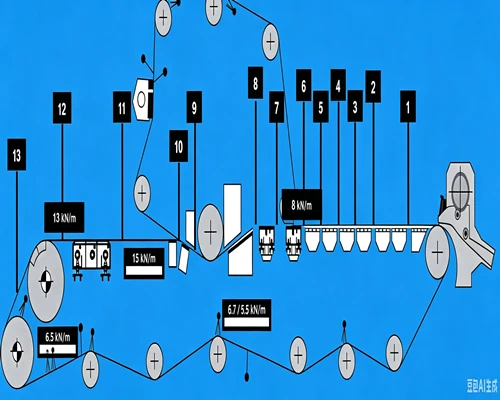

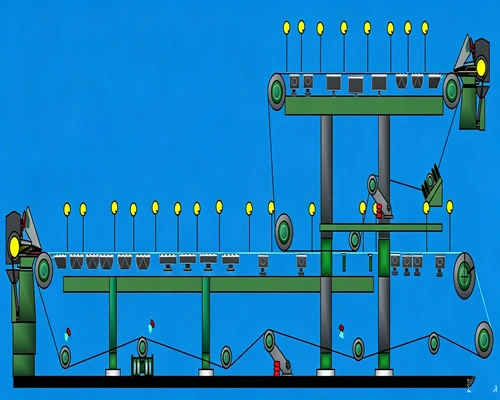
Our experts deliver practical solutions tailored to your exact requirements for forming and dryer sections - including section configuration, machine speed, pulp grades, paper types, grammage and target paper quality.
• Our technical support team brings deep knowledge and field‑proven experience. Services cover not only routine maintenance, but also custom‑optimization proposals.
• Our highly qualified sales specialists, backed by technical experts, are ready to answer your questions about fabric specifications, applications, technical details, case studies, safety and fabric‑handling training.
Paper Machine Forming Fabrics Raw Material Advantage:
Why premium Perlon / Monosuisse monofilaments make a difference for your mill
Many mills only compare fabric price, but ignore that filament quality decides real total cost‑of‑ownership:
✅ Less unexpected wire‑mark defects → lower paper waste
✅ Better dimensional stability → fewer sheet breaks & less unplanned downtime
✅ Higher wear resistance → longer fabric service life, less frequent fabric change‑out
✅ More consistent permeability → stable dewatering performance during whole fabric lifecycle
✅ Predictable quality batch after batch - you avoid "same weave but different running result" trouble
PERLON monofilament fabricmaterial Monosuisse monofilament fabric material


Paper Machine Forming Fabrics Packing:


To protect long rolled forming fabrics against bending, scratching and moisture during transit: • Each forming fabric is rolled neatly, wrapped with bubble‑film, then packed individually inside a solid plywood wooden crate • Markings include order number, width, roll direction, weight and standard handling symbols • Special packaging requirements are acceptable - please state clearly on your purchase order
Shipping & Delivery:
Our custom polyester forming fabrics normally take 15‑25 working‑days production. Each fabric is rolled and packed in an independent sturdy wooden crate. We offer flexible Incoterms® 2020 options: EXW, FOB, CIF, DAP etc. Sea, rail or air transport is available. You may also use your nominated freight forwarder. We will supply full shipping documents & tracking info after dispatch.
After-sales Service:
We provide professional technical support for paper mills, including installation guidance, machine‑side testing, wear analysis, fault troubleshooting and remote consultation. Our goal is to help you achieve stable running performance and longer fabric service life.
Quality Guarantee:
We are committed to delivering paper‑machine‑clothing(forming fabrics) that meets agreed technical specifications before shipment. Every forming fabric, press felt and dryer fabric goes through strict inspection: including weave check, thickness measurement, tension test, air‑permeability verification and dimensional confirmation, to ensure consistency with your confirmed order data. Our guarantee covers manufacturing defects under normal installation and proper operating conditions. This warranty does not apply to damages caused by improper handling, wrong installation, machine failure, abrasive foreign particles or operating beyond recommended parameters. Should a verified manufacturing defect occur within the guaranteed running period, we will work with you promptly to provide reasonable solutions, such as repair, replacement or technical remediation, to reduce your production impact. Please note: normal wear‑and‑tear during operation is inevitable and not covered by guarantee. We strongly recommend following our technical guidelines for storage, installation and daily operation to obtain the designed service life of the fabric. If you have any concerns about product quality, please contact our team with order number and relevant running records, and we will process your case without delay.
FAQ:
Q1:How do I select the correct forming fabric for my paper machine?
A: The optimal fabric depends on these key data: paper grade & basis weight, machine type, operating speed, furnish composition, existing dewatering performance and common issues (such as wire‑mark or sheet breaks). You may send us your machine parameters and current fabric reference, our technical team will recommend the suitable weave and permeability for you. We do not recommend choosing only by layer count.
Q2:What is the typical service life of a forming fabric?
A: There is no universal fixed value. Runtime is affected by machine speed, pulp abrasiveness, vacuum conditions, shower water quality, cleaning schedule and installation quality. Under proper running & maintenance, well‑selected polyester forming fabrics can reach good running hours. We can analyze your used‑fabric failure mode to help you achieve longer service life.
Q3:Can you custom‑make forming fabrics to our machine width & specs?
A: Yes. Most forming fabrics are custom‑produced. We can tailor working width, monofilament diameter, weave pattern, air permeability and edge treatment to match your paper‑machine dimensions and operating requirements. Please provide your drawing or the datasheet of your original fabric.
Q4:Do you provide forming fabric samples for testing?
A: We can supply small sample swatches for weave structure & permeability reference. Full‑width running samples are subject to discussion, as forming fabrics are mostly custom‑sized for specific paper machines.
Q5:Can I use my own freight forwarder to pick up goods?
A: Yes. Under EXW terms, you may nominate your trusted forwarder to collect finished forming fabrics directly from our factory. Please send forwarder contact details to our sales team before ready‑date.
Hot Tags: Paper Machine Forming Fabrics, China, factory, manufacturer, suppliers, wholesale, buy, paper machine belt, papermaking felt, paper machine clothing manufacturer, paper machine couch felt supplier, papermaking couch felt, paper machine press felt performance
No Information
You Might Also Like


Send Inquiry
